RASPBERRY PI3 min read
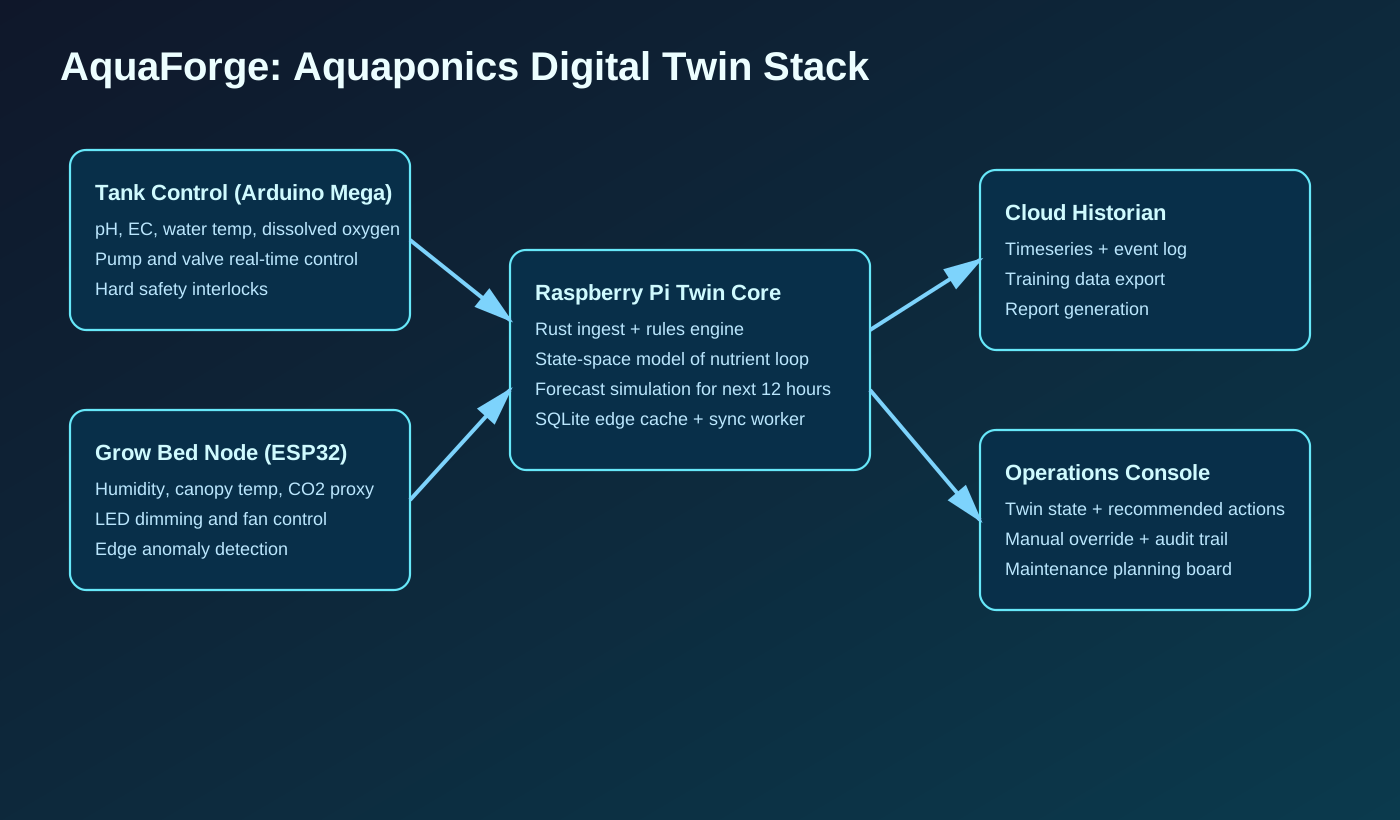
Special Project: AquaForge Aquaponics Digital Twin
A long-form project report on building a digital twin for aquaponics using Arduino, Raspberry Pi, and Rust.
Field notes on local AI and inference, reliable DevOps pipelines and observability, Raspberry Pi builds, and calm homelab networking.
01 / FEATURED FIELD NOTE
SPECIAL PROJECT · FROM THE LAB
A long-form project report on building a digital twin for aquaponics using Arduino, Raspberry Pi, and Rust.
02 / RECENT TRANSMISSIONS
A practical, measured look at running local language models on a Raspberry Pi 5: which model sizes and quantization levels are realistic, what power and thermal limits to expect, and when a mini-PC is the better call.
How to introduce VLANs into a small homelab without turning a hobby network into an unmaintainable maze — plus the recovery steps for when segmentation locks you out.
Building home observability on Raspberry Pi without drowning the SD card: what to collect, what to skip, and how to keep the stack lighter than the workloads it watches.
A measurement-first look at running local language models at home: where quantization helps, what power draw actually looks like, and when the cloud still wins.
03 / TOPICS
4 THREADS
04 / ACTIVE SERIES
ORDERED READING
Running useful AI on your own hardware without pretending the trade-offs do not exist.
Follow the series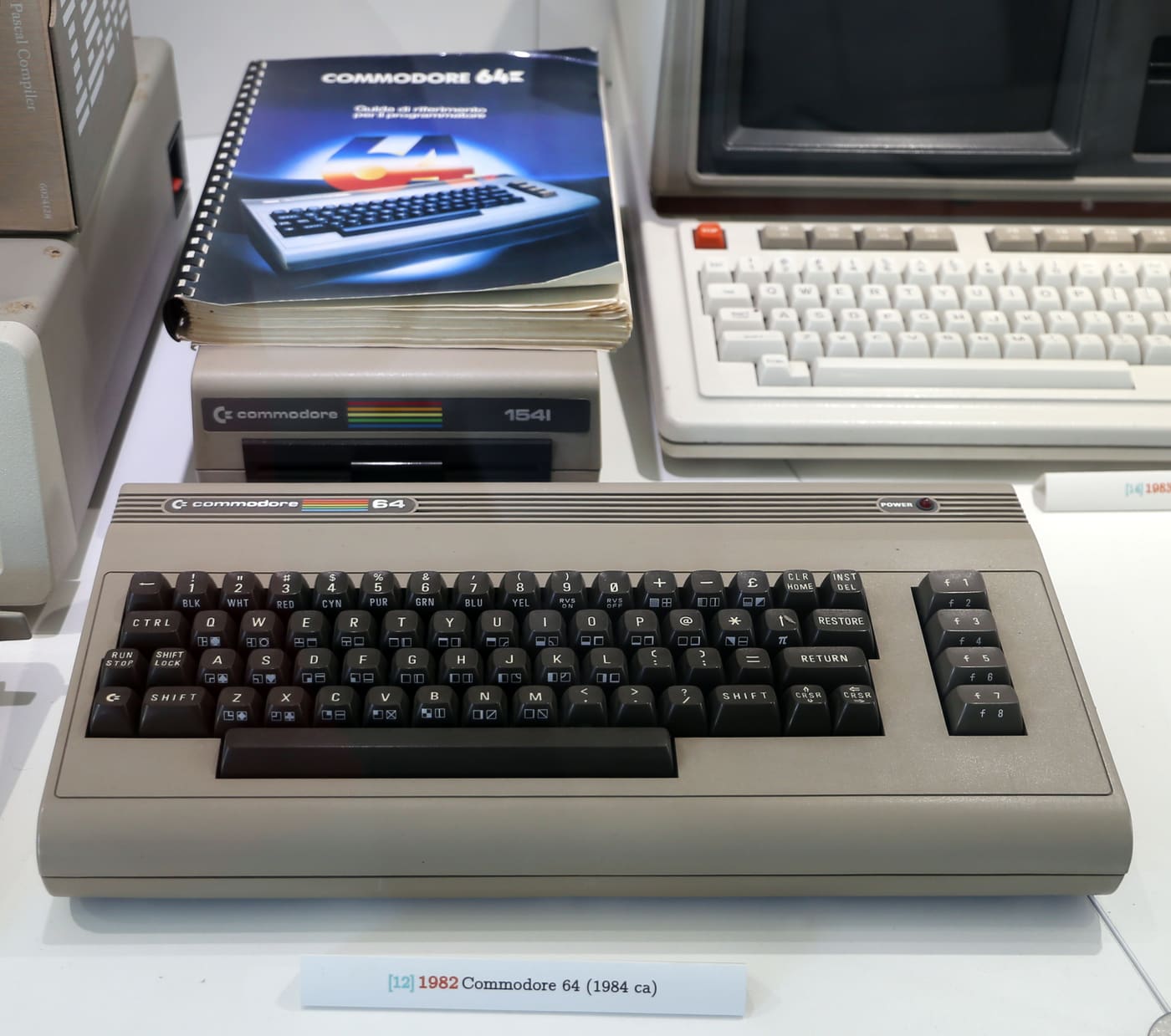
I'm Gábor Lepsényi, a technologist and incurable tinkerer based in Budapest. I write about running local AI and inference, keeping DevOps pipelines and observability boring, Raspberry Pi and embedded builds, and calm homelab networking.
No recycled release notes and no ten-minute miracle builds — just careful experiments, honest constraints, useful measurements, and enough context to reproduce the work. You can also find me writing in Hungarian at rust.hu and aws.hu.


